Introduction: Why Hip Strength and Mobility Matter
Strong hips and good mobility are key for a healthy core. In fact, hip strength and mobility help you move with ease every day. Whether you walk, climb stairs, or play sports, your hips play a big role. When your hips are weak or stiff, you may feel pain or lose balance. Over time, this can lead to injuries. Therefore, learning how to improve hip strength and mobility is important for everyone.
What Is Core Strength and Hip Mobility?
Your core includes muscles in your belly, back, and hips. These muscles keep your body stable. Hip strength means your hip muscles can support your body during movement. On the other hand, hip mobility means your hips can move freely in all directions. Both are needed for daily tasks and safe exercise.
The Importance of Hip Strength for Daily Life
Strong hips help you stand, walk, and bend without pain. For example, they support your lower back and knees. If your hips are weak, you may notice trouble with balance or climbing stairs. In addition, weak hips can lead to falls or injuries. According to the CDC, falls are a leading cause of injury in older adults. So, keeping your hips strong is vital for staying active and safe.
Common Symptoms of Weak Hips and Poor Mobility
It is not always easy to spot weak hips. However, some signs can help you know when to take action. Look for these symptoms:
If you notice these signs, it may be time to focus on hip strength and mobility.
Causes and Risk Factors for Hip Weakness and Reduced Mobility
Many things can cause hip weakness or stiffness. For instance, sitting for long periods can make your hip muscles tight. Age is another factor, as muscles and joints can get weaker over time. In addition, injuries or certain health conditions may affect your hips. Some common risk factors include:
Knowing these risks can help you take steps to protect your hips.
Safe Exercises to Improve Hip Strength and Mobility
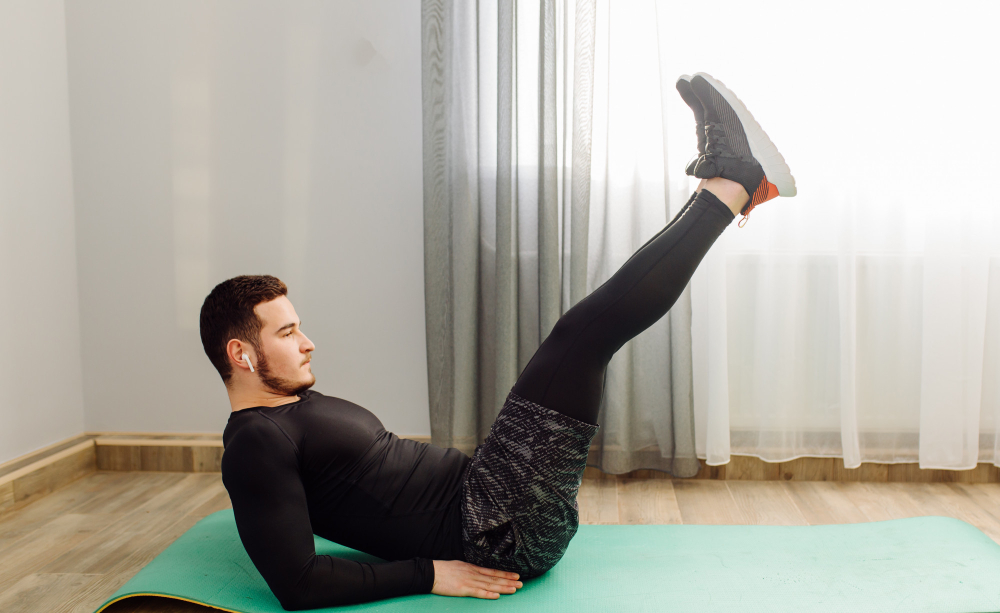
With the right exercises, you can build hip strength and improve flexibility. Always start slowly and listen to your body. If you feel pain, stop and rest. Here are some safe, evidence-based hip strength exercises and stretches you can try at home:
These moves help improve hip mobility at home and build core and hip stability. For best results, do these exercises two to three times a week.
Practical Lifestyle Tips for Healthy Hips
Besides exercise, daily habits can keep your hips healthy. Try these tips:
Even small changes can make a big difference over time.
Prevention Strategies for Hip Injuries and Mobility Loss
Preventing hip injuries is easier than treating them. Therefore, follow these strategies to protect your hips:
According to the World Health Organization, regular movement helps prevent joint problems and keeps you healthy.
Summary
In summary, hip strength and mobility are vital for daily life and injury prevention. With simple exercises and healthy habits, you can keep your hips strong and flexible. Remember, it is never too late to start caring for your hips.
When to Seek Help
If you have ongoing pain or trouble moving, do not wait. It is important to get advice from a health professional.
Consult a physiotherapist for personalized hip strength and mobility guidance.