Introduction
Physiotherapy for hip strength and core endurance can help you move better every day. These muscles support your body, keep you balanced, and help prevent injuries. Many people do not realize how important strong hips and a stable core are for daily life. In this blog, you will learn about the benefits, common causes of weakness, and simple exercises to boost your strength. You will also find tips for safe exercise and ways to keep your hips and core healthy.
Why Hip and Core Muscles Matter
Strong hip and core muscles are key for daily activities. For example, they help you walk, climb stairs, and even stand up from a chair. In addition, these muscles protect your back and lower your risk of falls. When your hips and core are weak, you may feel pain or lose balance more easily. Therefore, building strength in these areas is important for everyone, no matter your age or activity level.
Common Causes of Hip and Core Weakness
Many factors can lead to weak hip and core muscles. Some common causes include:
Because these causes are common, many people may not notice weakness until it affects their daily life.
Signs and Symptoms of Weak Hip and Core Muscles
It is important to notice signs of weakness early. Some symptoms include:
If you notice these signs, you may benefit from physiotherapy for hip strength and core endurance.
How Physiotherapy Helps
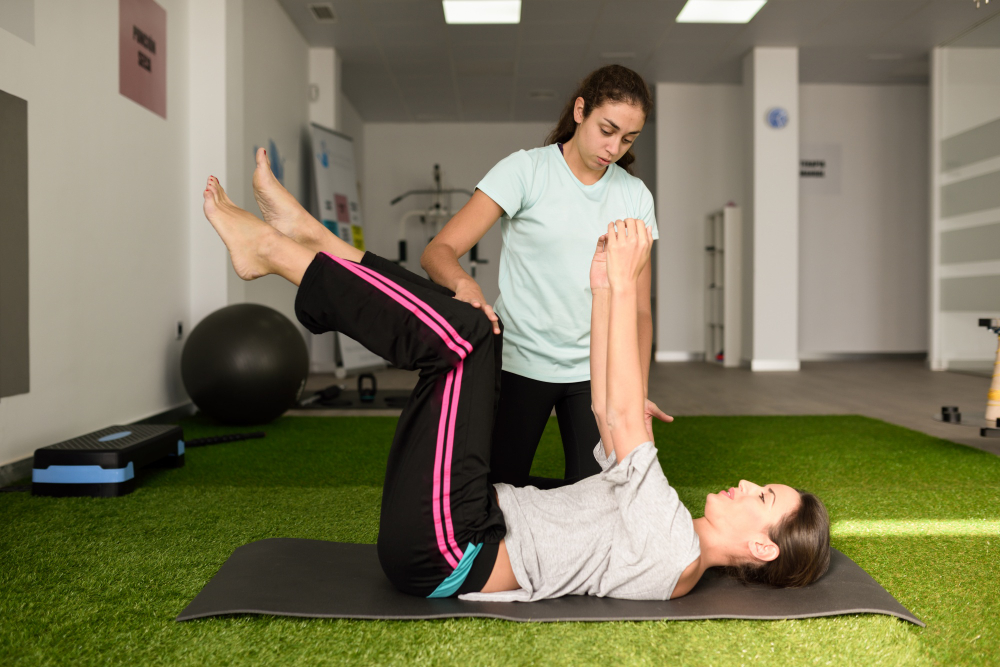
Physiotherapy offers a safe way to build hip and core strength. First, a physiotherapist will assess your movement and muscle strength. Then, they will create a personalized exercise plan just for you. They will also track your progress and adjust your plan as needed. Because each person is different, a tailored approach works best. According to the World Health Organization (WHO), regular movement and guided exercise can improve muscle strength and lower injury risk.
Evidence-Based Physiotherapy Exercises
Many simple exercises can help you build hip strength and core endurance. Here are five effective options:
Always start with a few repetitions and increase as you get stronger. If you feel pain, stop and talk to your physiotherapist.
Tips for Safe Exercise and Injury Prevention
Staying safe during exercise is important. Here are some tips:
With these tips, you can lower your risk of injury and get the most from your exercises.
Lifestyle Guidance for Hip and Core Health
Besides exercise, daily habits can support your hip and core health. For example, try to stand up and move every hour if you sit a lot. In addition, choose stairs over elevators when possible. Eating a balanced diet with enough protein can also help your muscles stay strong. If you live in a city with parks or walking paths, take short walks to keep your body active.
Prevention Strategies for Strong Hips and Core
To prevent weakness, make these habits part of your routine:
Over time, these steps can help you maintain hip and core strength for daily life.
When to Consult a Physiotherapist
If you have pain, weakness, or trouble moving, it is wise to see a physiotherapist. Early help can prevent bigger problems later. A physiotherapist can guide you with safe, effective exercises and track your progress. They can also answer your questions about hip strengthening physiotherapy and core stability for daily life.
Conclusion
Strong hips and a stable core are important for everyone. With physiotherapy for hip strength and core endurance, you can move better, feel stronger, and lower your risk of injury. For the best results, consult a physiotherapist for personalized guidance on hip strength and core endurance.